How to Dispute a Property Line: Simple Steps for Peace of Mind
How to dispute a property line without stress. Discover simple, legal steps to resolve boundary disputes with neighbors and protect your land rights.
How to Dispute a Property Line
Is your neighbor’s fence creeping onto your yard? 😠 You’re not alone. Many homeowners face this frustrating issue. You know your land… but now you’re questioning the boundaries. The good news? You can fix it — legally and peacefully.
Let’s walk through how to dispute a property line with clarity, confidence, and calm.
🧭 Understanding the Basics of Property Lines
Property lines define where your land begins and ends. They’re not always obvious — if no fence or marker exists. Over time, landscaping, fences, or buildings can shift perceptions.
You might own less or more than you think. That’s why boundary lines can become a hot topic between neighbors.
📑 Why Property Line Disputes Happen
Here are some common causes:
- Misinterpreted deed descriptions
- Old or inaccurate surveys
- Fences built without checking records
- Assumptions based on past owners
- Natural changes like erosion or tree growth
When things aren’t clear, tensions rise — and legal action might follow.
🚧 Signs There May Be a Dispute
Not sure if there’s a real problem? Watch for these red flags:
- Your neighbor installs a fence suspiciously close to your home
- You’re blocked from accessing part of your yard
- Someone makes claims about your land
- You notice structures crossing an assumed boundary
Don’t wait. The sooner you act, the better your chances of resolving it smoothly.
🔍 Step 1: Review Your Property Deed and Documents
The first step? Dig into your documents. Look for:
- Legal property description
- Lot dimensions
- Plat maps (drawings showing property layout)
📁 Your deed is your land’s “birth certificate” — it’s the first place to check.
If the description uses vague language (like “along the stream”), you’ll need further verification.
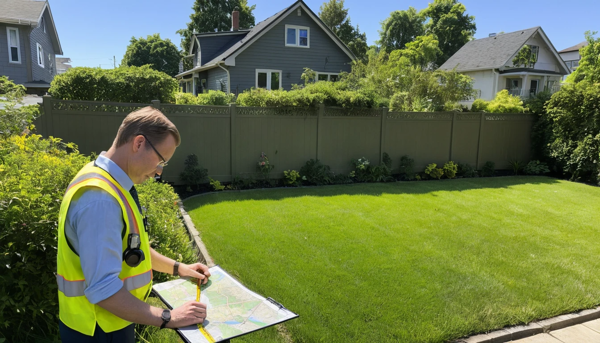
📐 Step 2: Hire a Licensed Land Surveyor
You’ll need professional proof of where your property truly ends.
| What a Land Survey Includes | Why It’s Important |
|---|---|
| Physical boundary markings | Shows visible lines |
| GPS and measuring tools | Increases accuracy |
| Legal description match-up | Supports your case |
| Certified documentation | Holds up in court |
🧑🔧 A licensed surveyor is your best friend here.
Always check credentials and ensure they’re approved in your state.
🤝 Step 3: Talk to Your Neighbor (Yes, Really)
Before running to court, try a respectful conversation.
Tips for success:
- Choose a calm time to talk
- Bring your deed or survey
- Focus on facts, not emotions
- Suggest working together to solve it
💬 “Hey, I noticed our fence might not align with my recent survey. Can we look into this together?”
You might be surprised — your neighbor may not even realize there’s a problem.
🧾 Step 4: Send a Formal Notice if Needed
If talking doesn’t work, it’s time to put it in writing.
Include:
- A brief description of the issue
- Survey results (if completed)
- A request to resolve the matter
Be polite. Don’t threaten. This helps if things get legal.
⚖️ Step 5: Consult a Real Estate Attorney
Boundary disputes can get serious fast. An experienced real estate attorney can help you:
- Understand local property laws
- Draft letters or documents
- Represent you in negotiations
- Prepare for court if needed
📌 Pro tip: Pick a lawyer who knows property and land use law well.
🏛️ Step 6: Consider Mediation Before Court
Going to court is expensive and slow. Mediation is a good middle ground.
| Mediation Benefits | Litigation Downsides |
|---|---|
| Faster resolution | Can take months or years |
| Lower cost | Higher legal fees |
| Preserves relationships | Creates tension |
| Confidential process | Public record |
🕊️ Mediators help both sides find common ground without a judge.
In many states, you must try mediation before court.
🧾 Step 7: File a Lawsuit as a Last Resort
Not solved yet? Your last step is court.
You can file a quiet title lawsuit. This is a legal case to declare who owns the land.
To win, you’ll need:
- Proof from a survey
- Your deed and documents
- Testimony from experts, if needed
It’s not easy… but it’s effective when all else fails.
🚨 Avoid These Common Mistakes
Many homeowners make mistakes that hurt their case by:
- Ignoring the issue until it worsens
- Damaging or removing neighbor’s structures
- Relying on verbal agreements
- Skipping surveys to save money
- Using aggressive or hostile language 😡
Stay calm. Stay smart. Stay professional.
🧱 What Happens to Existing Fences or Structures?
If a fence is over the line, you can:
- Agree to move it
- Compensate the affected party
- Remove the structure
🏠 Sometimes, courts allow fences to stay under certain laws like adverse possession.
Check your local rules to see what applies.
🔄 Adverse Possession: Can a Neighbor Steal Land?
Adverse possession sounds dramatic — but it’s real.
If someone uses part of your land openly and without permission for a certain time (often 10+ years), they could claim ownership.
Requirements usually include:
- Hostile use (without your consent)
- Continuous use
- Exclusive use
- Visible possession
👀 Watch for long-term unchallenged use — it could cost you property rights.
🗺️ How to Prevent Future Disputes
Prevention is always easier than litigation.
✅ Do this when buying or maintaining property:
- Always get a new survey
- Check property lines before building
- Discuss changes with neighbors
- Get written agreements for shared use
A few conversations now can save thousands later. 💸
🛠️ Building on the Line? Here’s What to Know
Before adding that fence, shed, or pool…
Check:
- Local zoning codes
- HOA rules
- Setback requirements
| Structure Type | Common Setback Distance |
|---|---|
| Fences | 6–12 inches from line |
| Sheds | 5–10 feet |
| Driveways | 1–5 feet |
| Pools | 10+ feet |
📐 Always play it safe — build inside your boundary.
📷 Document Everything for Your Records
Create a paper trail:
- Photos of the disputed area
- Copies of letters/emails
- Surveyor’s report
- Notes from conversations
🗂️ Good documentation builds your case and protects your rights.
🧑⚖️ When Should You Call the County?
In some cases, county officials can help.
They may:
- Clarify plat maps
- Record surveys
- Enforce zoning laws
Don’t hesitate to call your local land records office or assessor.
🚀 Final Thoughts on Resolving Boundary Disputes
Disputing a property line can feel overwhelming. But you’re not powerless.
Just remember:
- Start with facts, not feelings
- Get a survey to support your claim
- Communicate clearly with your neighbor
- Use legal help when necessary
With the right steps, you can protect your land and your peace of mind. 🧘
❓FAQs About Property Line Disputes
How do I find my exact property line?
Hire a licensed land surveyor. They’ll use legal documents, GPS, and tools to mark accurate boundaries.
What if my neighbor refuses to move their fence?
First, show your survey. If they refuse, consider mediation or legal action through a quiet title lawsuit.
Can my neighbor take part of my yard?
Only through adverse possession, which requires years of open, continuous use without your objection.
What documents help with a property dispute?
Deeds, surveys, plat maps, and photos are most helpful. Keep all written communication, too.
Do I need a lawyer for a boundary dispute?
It’s highly recommended. Property law is complex, and an attorney ensures your rights are protected.
Reference:
https://www.nolo.com/legal-encyclopedia/boundary-disputes-basics.html
https://www.findlaw.com/realestate/owning-your-home/boundary-disputes.html
https://www.realtor.com/advice/home-improvement/property-line-disputes-solutions/