
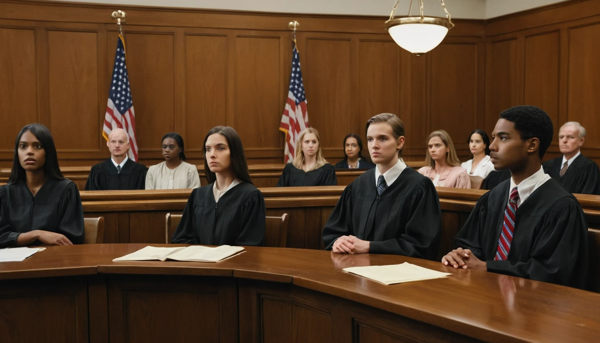
Why Are Juries Important? Discover Their Power in Justice
Why are juries important? Discover how they protect justice, empower citizens, and keep our legal system fair and balanced in every courtroom.
Why Are Juries Important?
Ever wondered what really makes a courtroom fair? It’s not just the judge, lawyers, or laws. One key piece of the puzzle is the jury. But why are juries important, and how do they shape justice in America? Let’s break it down together in a way that’s easy to understand—and more importantly—worth remembering.
What Is a Jury and What Do They Do?
A jury is a group of everyday people—just like you—called to serve in court. They listen to the facts of a case and decide if someone is guilty or not guilty. This decision must be based only on the evidence presented, not on emotions or outside opinions.
🧠 Their main role?
To make sure justice is fair and not one-sided.
⚖️ The Main Reason Juries Are Important
So, why are juries important?
Because they put the power of justice into the hands of the people.
Instead of one judge making the final call, a jury ensures that:
- Citizens, not just officials, have a say in justice
- Decisions reflect community values
- Everyone has a fair chance to be heard
👥 Juries Represent the Community
Juries are made up of people from different walks of life. This helps bring varied perspectives into the courtroom.
✅ This matters because:
- It reduces bias
- Encourages balanced decisions
- Promotes public trust in the legal system
🔐 They Protect Against Government Overreach
One of the key jobs of a jury is to act as a check on power.
A judge may be the law expert, but the jury holds real influence.
They can decide to acquit someone even if the law seems stacked against them, simply because it feels unjust.
💬 “Trial by jury is more than an instrument of justice; it is the most powerful guardian of liberty.” – Patrick Devlin
🏛️ Trial by Jury Is a Constitutional Right
Yes, it’s written into the U.S. Constitution.
- The 6th Amendment gives criminal defendants the right to a speedy and public trial by an impartial jury.
- The 7th Amendment extends jury rights to certain civil cases.
This means the government can’t take away your freedom without first giving you a chance to be judged by fellow citizens.
💪 Jury Duty Empowers Everyday People
When you serve on a jury, you’re not just doing a civic chore—
you’re becoming part of something bigger. You’re helping:
- Protect your community
- Shape how laws are applied
- Stand up for what’s right
Table: Jury Duty vs. Other Civic Duties
| Civic Duty | Purpose | Who Performs It |
|---|---|---|
| Voting | Choose leaders and laws | All registered voters |
| Paying Taxes | Fund public services | All citizens |
| Jury Duty | Deliver justice in courts | Selected community members |
📜 Historical Roots of Juries
Trial by jury has been around for a long time. It started in medieval England. It became a key part of American law when the nation was founded.
- Back then, juries were seen as a shield against tyranny.
- Even today, their presence keeps trials transparent and honest.
🌍 Other countries look up to the U.S. jury system. It gives power to the people, not just legal elites.
👨⚖️ Judges and Juries: Different But Equal
Both judges and juries have roles—but they don’t do the same thing.
Table: Judge vs. Jury Roles in a Trial
| Role | Judge | Jury |
|---|---|---|
| Focus | Law & Procedure | Facts & Verdict |
| Power | Rules on evidence, instructs jury | Decides guilt or innocence |
| Bias | May have legal background influences | Comes with everyday experiences |
Working together, they create a balanced courtroom.
👂 They Ensure Both Sides Are Heard
Juries must listen carefully to both the prosecution and defense.
They’re trained (briefly) to:
- Look at the facts only
- Avoid assumptions
- Ask questions during deliberations
🗣️ This process ensures everyone gets a fair shot, regardless of their background.
🔍 Jury Deliberation: Behind Closed Doors
Once the trial ends, the jury heads into a private room to talk it out.
- They review all evidence
- Discuss the facts
- Vote on a decision
This process is secret to keep it honest and free from pressure. Every juror must agree in unanimous verdicts, or it leads to a mistrial.
😨 What Happens Without a Jury?
In places or situations where there’s no jury, one person—the judge—has total control.
This can lead to:
- Unfair judgments
- Systemic bias
- Public distrust
That’s why having a jury isn’t just tradition—it’s protection.
🧾 Juries Bring Human Emotion into Law
Sometimes, what’s legal isn’t always just.
Juries add a layer of human understanding to the legal system.
They might see the gray area in a case that a strict legal code doesn’t.
🎯 This leads to more compassionate verdicts—and ultimately, a more humane system.
🕊️ They Help Promote Peace and Order
People trust decisions more when they know real citizens were involved.
This trust builds social peace. Communities feel heard, respected, and involved.
📢 Without this trust, the justice system feels like a cold machine.
🤹 The Challenges of Being on a Jury
Being a juror isn’t easy.
- It takes time and focus
- You may feel emotional stress
- Sometimes, it’s hard to reach agreement
But it’s also one of the most impactful things you can do as a citizen.
👨👩👧👦 Juries Reflect Real-Life Perspectives
Because jurors are chosen from a cross-section of society, they bring:
- Life experience
- Common sense
- Cultural understanding
This mix helps ensure verdicts make sense in the real world, not just in a legal textbook.
🎯 Jury Trials Create Accountability
Knowing that regular people will hear their case makes lawyers, judges, and officials act more responsibly.
That means:
- Better preparation
- Less manipulation
- Stronger evidence
Because no one wants to lose in front of a jury of peers.
📘 Real-Life Impact of Jury Decisions
Juries have changed lives, saved lives, and corrected injustices.
Famous case example:
In the 1950s, juries began overturning racially biased convictions, helping move the civil rights movement forward.
Table: Impact of Jury Decisions Over Time
| Era | Type of Impact | Example |
|---|---|---|
| 1950s–60s | Civil rights cases | Overturned unfair convictions |
| 1990s | High-profile criminal trials | Reflected public opinion |
| 2020s | Police accountability | Juries held officers responsible |
✨ Final Thoughts: Why Juries Stil Matter
Juries aren’t perfect, but they’re essential.
They keep our justice system grounded in real life, driven by human judgment, and guided by community values.
So, next time you get a jury summons, don’t groan—embrace it.
It’s not just your duty. It’s your chance to make a real difference in someone’s life.
🙋♂️ FAQs
What is the purpose of a jury in court?
A jury helps decide the outcome of a case based on facts and evidence. It ensures fairness by involving citizens in justice. This balances power in the courtroom.
Why is jury duty important in democracy?
Jury duty lets citizens participate directly in justice. It strengthens democracy by holding courts accountable to the public. Everyone gets a voice in the process.
Can I refuse to serve on a jury?
In most cases, you must serve unless excused for valid reasons. Courts may allow postponements or exemptions. Skipping jury duty without permission can lead to penalties.
How are jurors selected for trials?
Jurors are randomly chosen from voter or DMV lists. Courts screen them for bias before trial. Selection aims to ensure fairness and impartiality.
Do all trials in the U.S. use juries?
Not all trials have juries. Some civil or family court cases use only a judge. But, criminal trials usually involve a jury if requested.
📚 References
https://www.uscourts.gov
https://www.aclu.org
https://www.history.com


